Blending Engagement Signals into Modern SEO Strategy

Social media and search engines have actually become more intertwined than ever before. In 2026, social signals, frequently described as likes, shares, remarks, reposts, conserves, and brand name points out, play a considerable function in shaping online visibility. While social signals do not work as direct ranking consider a simply algorithmic sense, they greatly affect how search engines examine content significance, authority, and credibility.
The areas that follow break down the mechanics of social signals, their effect on SEO, and actionable methods to utilize them for long-lasting presence. This extensive guide checks out how SEO social signals, user habits, and AI-driven search experiences intersect, and why brands must pay attention if they desire more powerful rankings.
Scaling High Quality Backlink Portfolio in 2026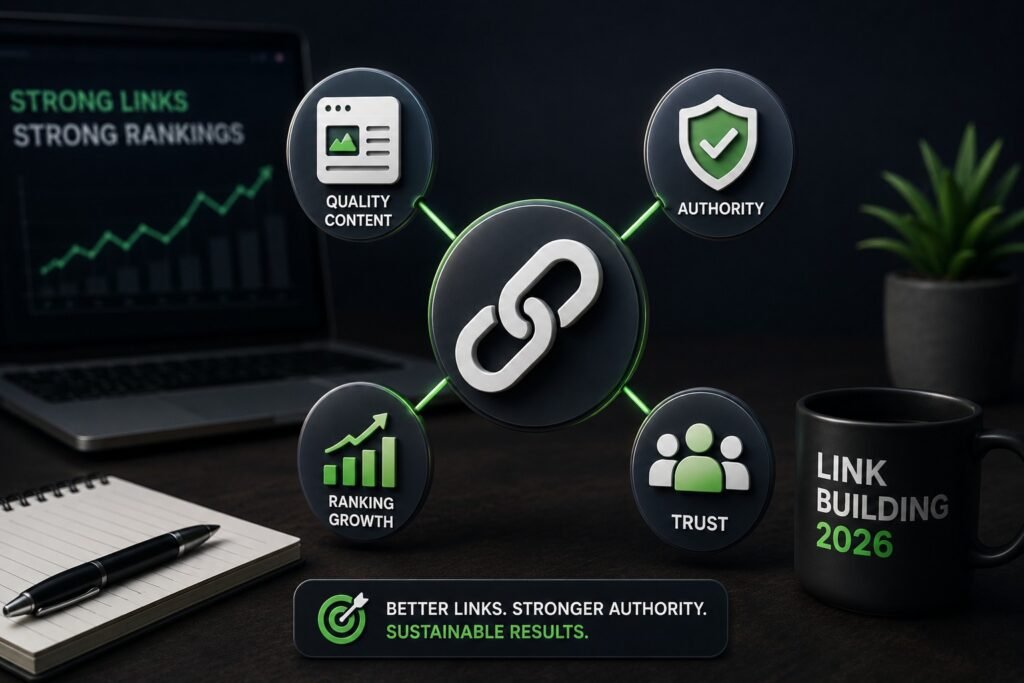
These can consist of: Likes and responses Shares and reposts Remarks Conserves and bookmarks Fan counts Brand name points out Click-throughs from social platforms Viral trends and hashtag involvement By 2026, social signals for SEO have actually evolved far beyond standard engagement. They now catch audience intent, content effectiveness, and brand name influence, crucial elements that not only assist content rank much better but likewise improve brand name image.
Scaling High Quality Backlink Portfolio in 2026Social media enhances content distribution, increasing brand name visibility and natural reach. Google's AI-powered search results now reward material that demonstrates knowledge, community interaction, and real-world significance.
The Rise of High Authority Backlinks
Usage top quality images, infographics, brief videos, and compelling hooks. The more users save, share, and interact with the material, the stronger the indirect SEO benefits. Increase engagement by actively inviting interaction. Ask thoughtful questions, run polls, encourage remarks, and react quickly to develop connection. Social platforms reward accounts that spark meaningful discussion, eventually increasing presence and click-throughs to the website.
Community-driven brand names take pleasure in more powerful loyalty, more regular sharing, and higher branded search volume, all of which support SEO. Treat the social profiles like search-optimized landing pages.
When supported by tactical Off-Page and the right Off-page SEO tools, the social content can attract premium backlinks, enhance online presence, and reinforce overall domain authority. Partnering with influencers considerably amplifies reach, trust, and reliability. Influencer-driven content frequently leads to increased brand name searches, greater engagement rates, and valuable recommendation traffic, all of which contribute indirectly to much better SEO efficiency.
Are Social Signals Aiding Manual SEO?
Planning guarantees thematic consistency, aligns messaging with keyword patterns, and develops predictable engagement patterns. Consistency is key to remaining top-of-mind on social platforms. Screen performance metrics such as clicks, engagement rates, shares, brand discusses, recommendation traffic, and conversions. Examining what resonates most helps refine the ongoing strategy, ensuring your social networks material continuously supports SEO objectives.
A unified approach ensures that every piece of material, whether posted on your website or socials, collaborates to enhance rankings and total digital performance. Change high-performing blog posts into carousels, videos, or quote graphics. Repurposing increases reach, enhances key subjects you wish to rank for, and assists develop topical authority.
UGC constructs social evidence, boosts brand name trust, and frequently results in more branded searches, a crucial SEO signal. Hashtags on platforms like Instagram, TikTok, and LinkedIn can increase discoverability. On YouTube and Pinterest, keyword optimization works similarly to conventional SEO, helping the content rank within those search ecosystems. These differences end up being specifically essential when comparing Instagram vs website exposure, as each channel attracts audiences through various discovery habits and search patterns.
AI-powered search now: Understands patterns quicker Assesses sentiment from social discussions Detects whether content is being shared for favorable or negative reasons Gains from influencer-driven engagement patterns Surface areas material based on wider contextual relationships This indicates that social signals no longer simply suggest popularity; they shape AI-based material summaries, included outcomes, and conversational search outputs.
This impact is much more noticable in AI in B2B marketing, where decision-makers rely on authoritative, high-trust info sources. When the brand's insights, case research studies, and thought-leadership pieces gain traction on LinkedIn, X, or niche industry communities, AI systems interpret these signals as signs of expertise and authority, increasing the exposure in complicated B2B search journeys.
Achieving Brand Dominance with Manual Link Building
AI designs analyze: User belief from remarks Patterns of sharing and engagement The authority of people interacting with the material Virality potential Niche-based neighborhoods and conversations Online search engine incorporate AIO methodologies to analyze more comprehensive material ecosystems, not simply keywords and backlinks. Social signals enter into the "experience layer" that AI evaluates to figure out whether material works, reputable, and worthwhile of ranking.